


Restoration & French polish · SydneyRestoration &
French polish.
Chips, scratches, cracks, burns and water marks repaired in place — and timber finished by hand. We repair and restore what you already have instead of replacing it, for a fraction of the cost and none of the disruption.
- Free quotes from a photo
- Repairs in place — no rip-out
- Insured & WHS-compliant
- Work guaranteed in writing
- Sydney & NSW
Repair, don't replace
Damaged doesn't
mean finished.
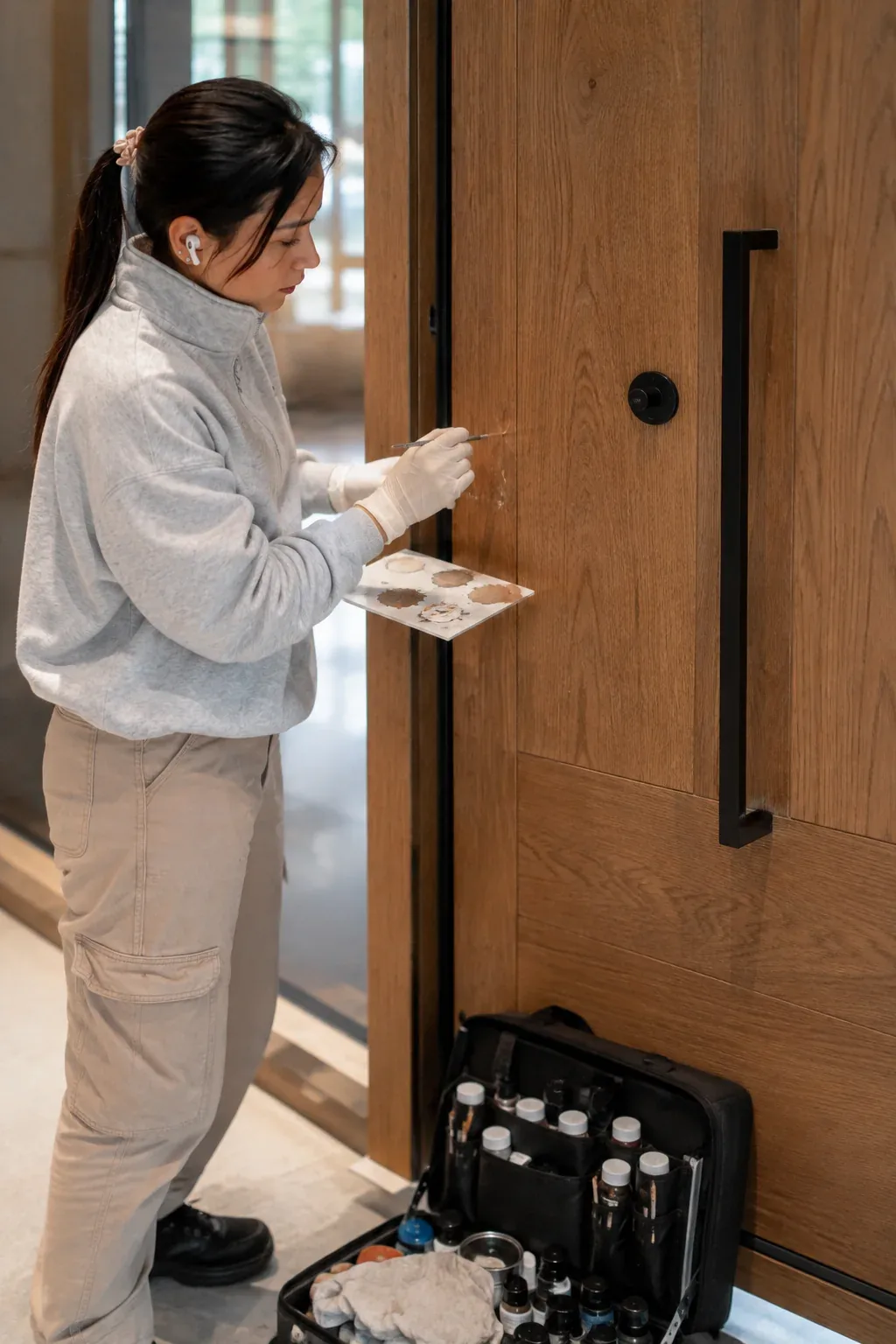
A chipped bench top, a scratched floor, a burnt cabinet door, a water-marked table — the usual advice is to replace the whole thing. Most of the time you don't have to. We repair the damage itself, colour matched into the surrounding surface, on site and in a day or two rather than a rip-out, a lead time and a rebuild.
See the difference
Before & after.
These are real Caoba repairs: if you can still see where the damage was, we haven't finished.
 before
 after
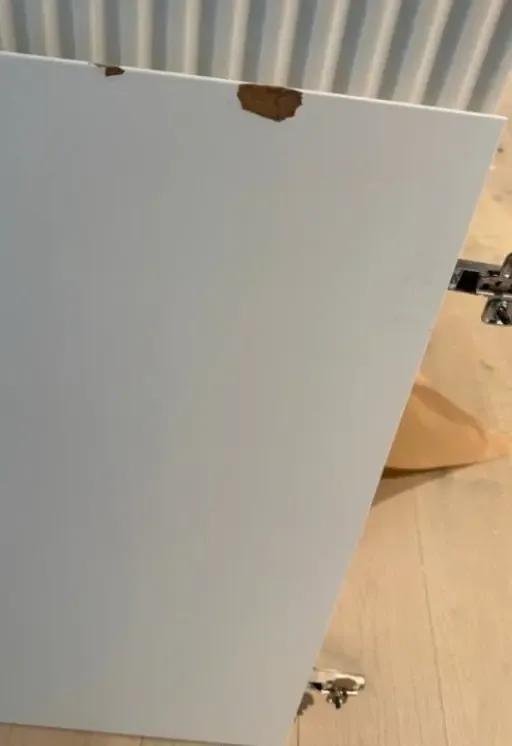
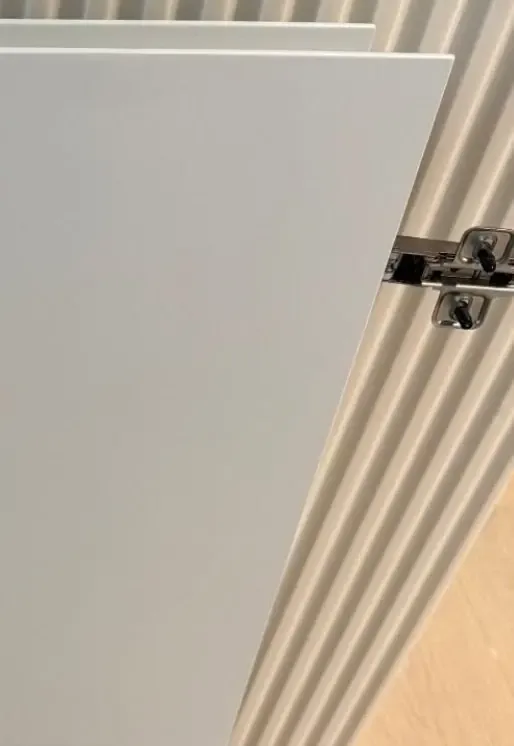
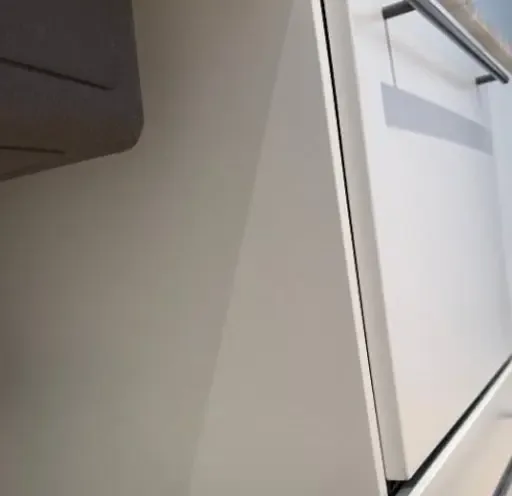
afterChipped door edge
Two chips through to the MDF core — filled, re-profiled and colour matched back into the white.
 before
 after
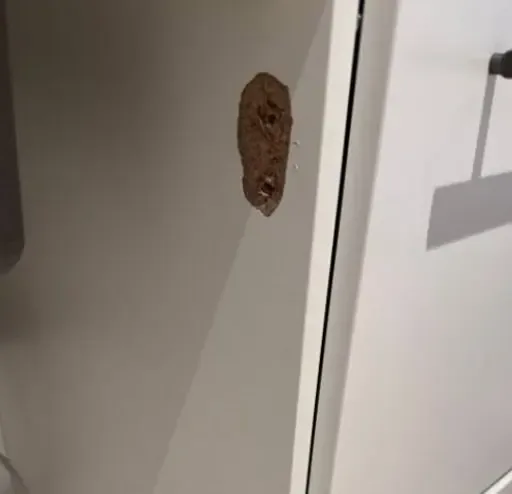
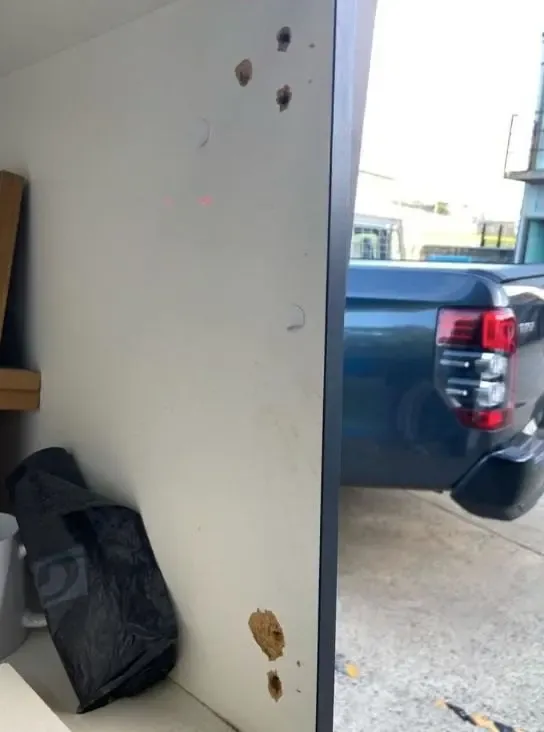
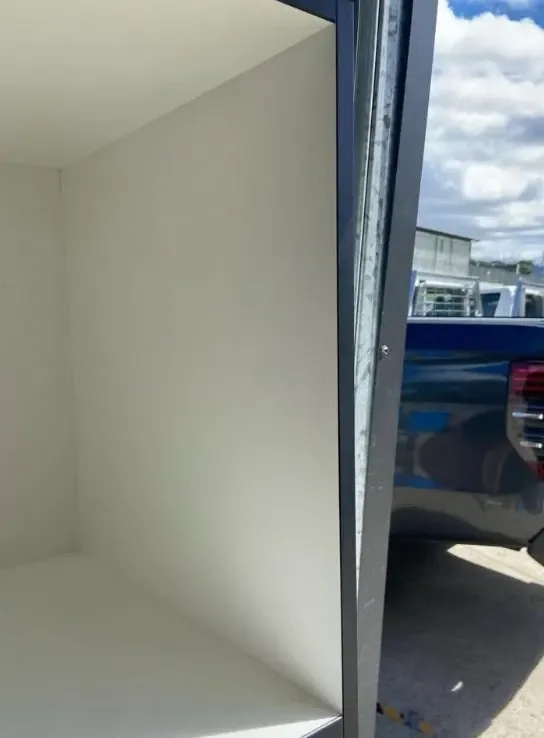
afterGouge on a cabinet face
A deep gouge in a flat white face, filled, sanded flat and blended.
 before
 after
afterChipped wall
Chips and knocks through the paint, filled, sanded flush and colour matched.
 before
 after
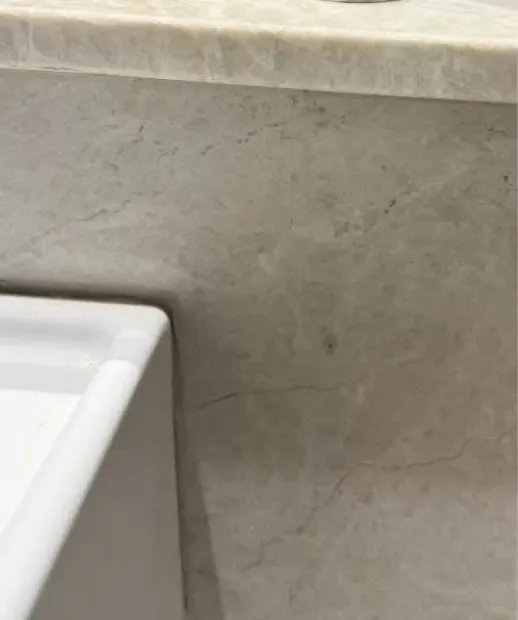
afterChipped stone benchtop edge
Rebuilt, re-profiled and the veining carried through the repair.
 before
 after
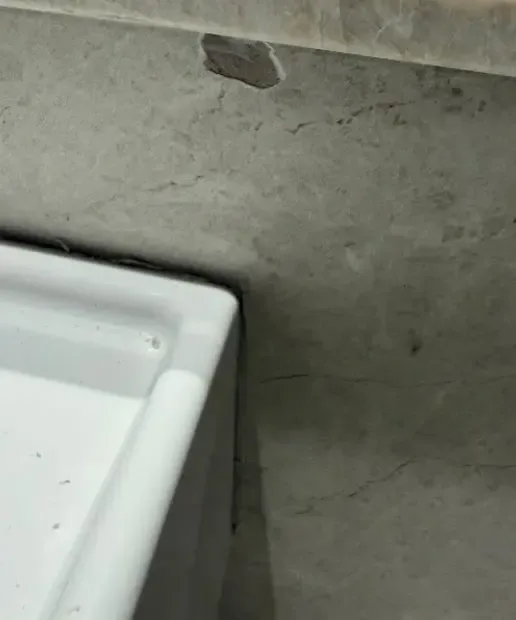
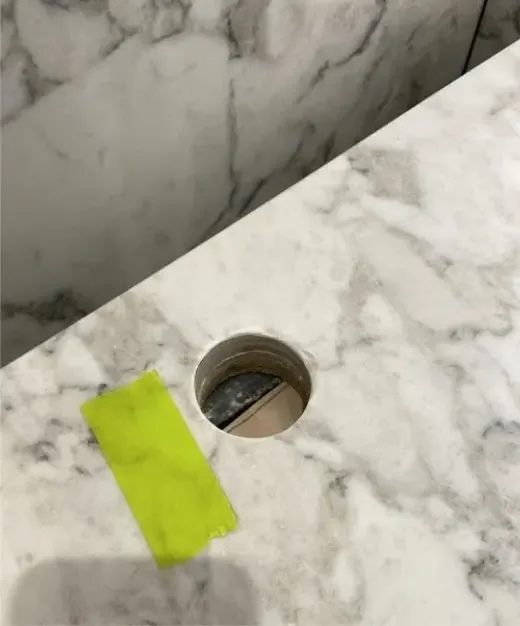
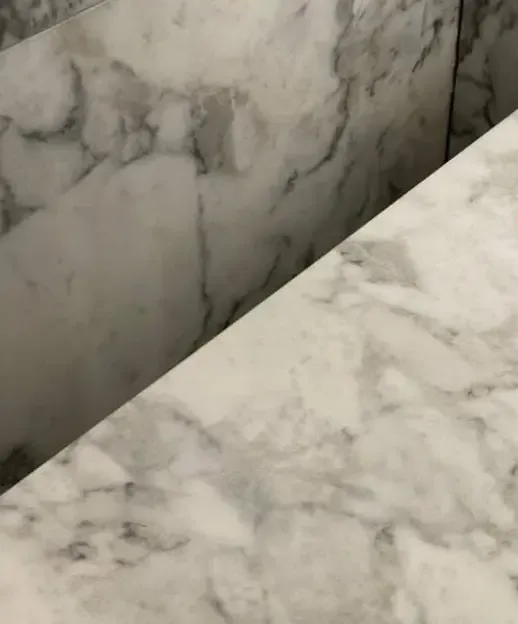
afterRedundant tap hole, marble
Filled flush and the marble veining drawn back across it.
 before
 after
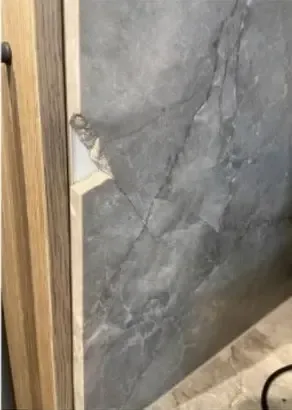
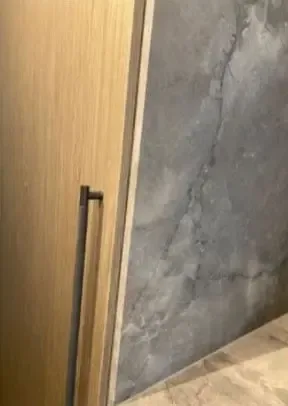
afterChipped stone wall panel
A chip through to the substrate, filled and colour matched into the stone.
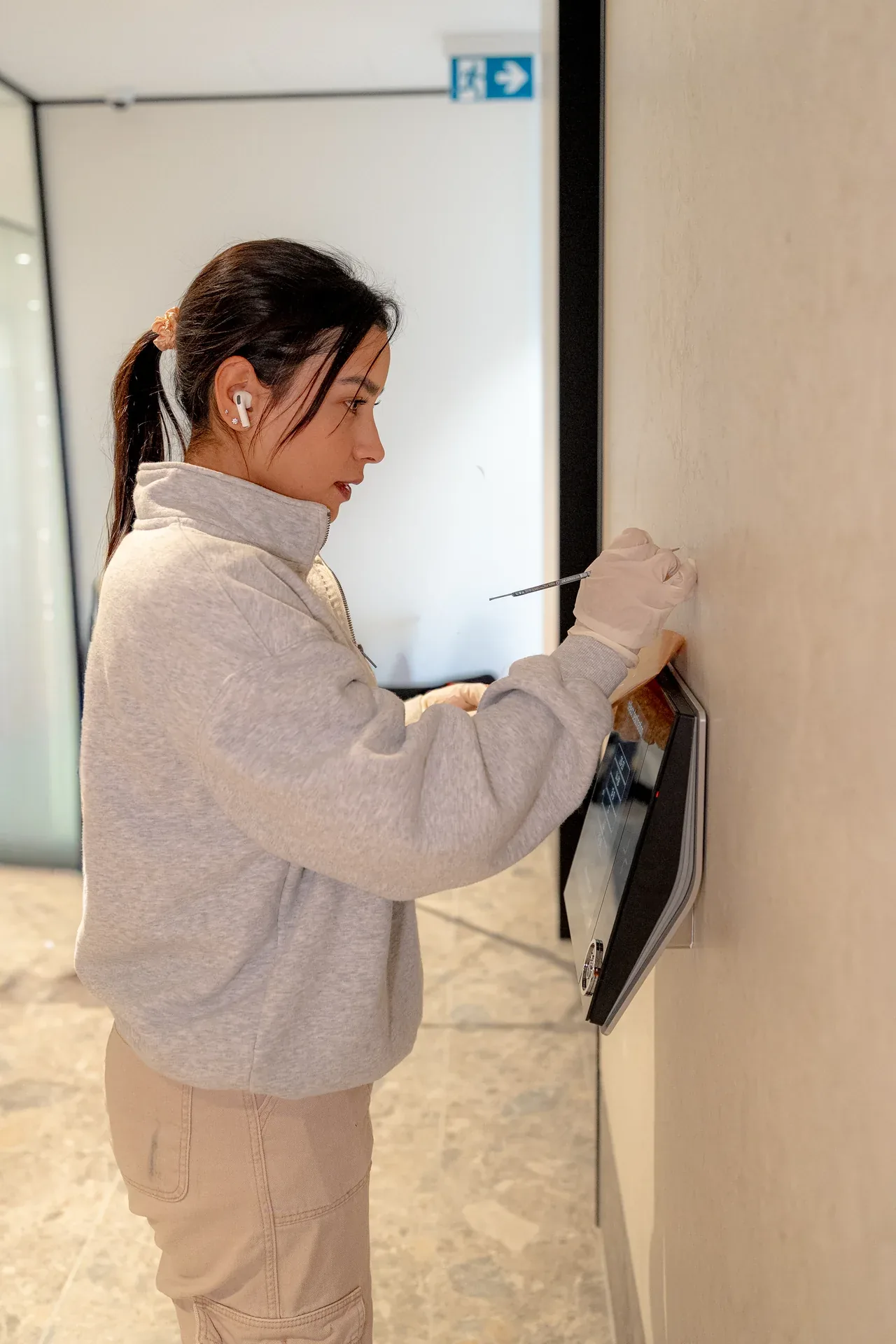
On site
The specialist craft
French polish:
built by hand,
one layer at a time.
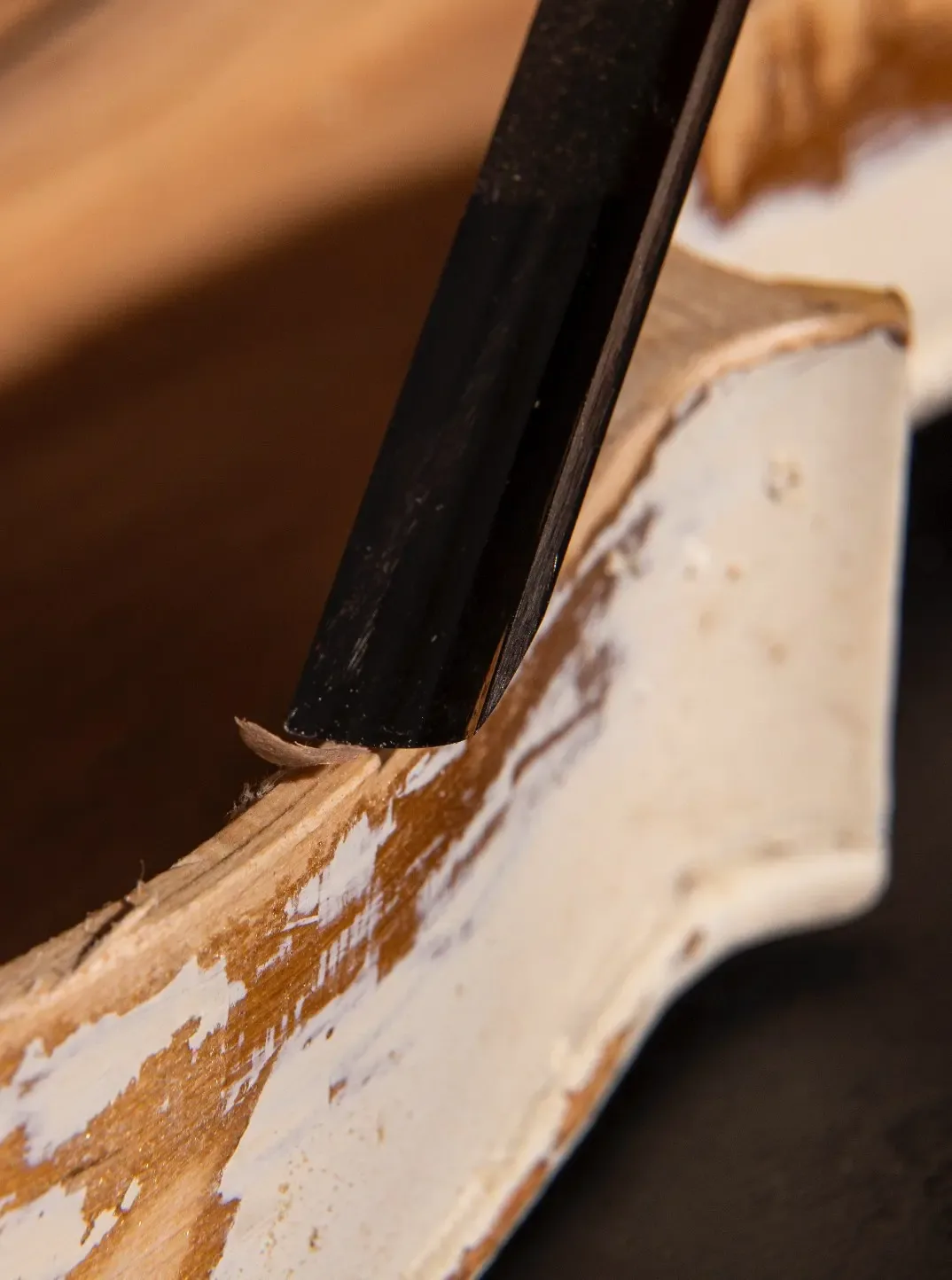
Where a piece deserves more than a repair, we French polish it. Thin layers of shellac rubbed on by hand until the timber has depth, warmth and a glass-clear sheen — a finish a modern spray can't match. Unlike lacquer, it can be repaired and refreshed in place rather than stripped and redone.
Who it's for
Worth fixing,
not replacing.
Builders and fit-out firms closing out defects before handover; property and strata managers making good between tenancies; hospitality and retail venues with damage that has to disappear before opening; and owners of fine or antique furniture.
Our specialist restoration team also runs Caoba French Polish ↗, with the full range of surface repairs.
Restoration FAQs
How much does a repair cost?
Far less than replacing. A single chip or scratch is a small fixed-price job; a full re-polish of a large piece or a staircase is more involved. Send a photo and the location and we will quote it free, in writing, within one business day.
How long does a repair take?
Most damage repairs are done on site in a single visit. Traditional French polishing is different: shellac is built in thin layers that each have to cure, so a full re-polish is measured in days.
Will you be able to tell where the repair was?
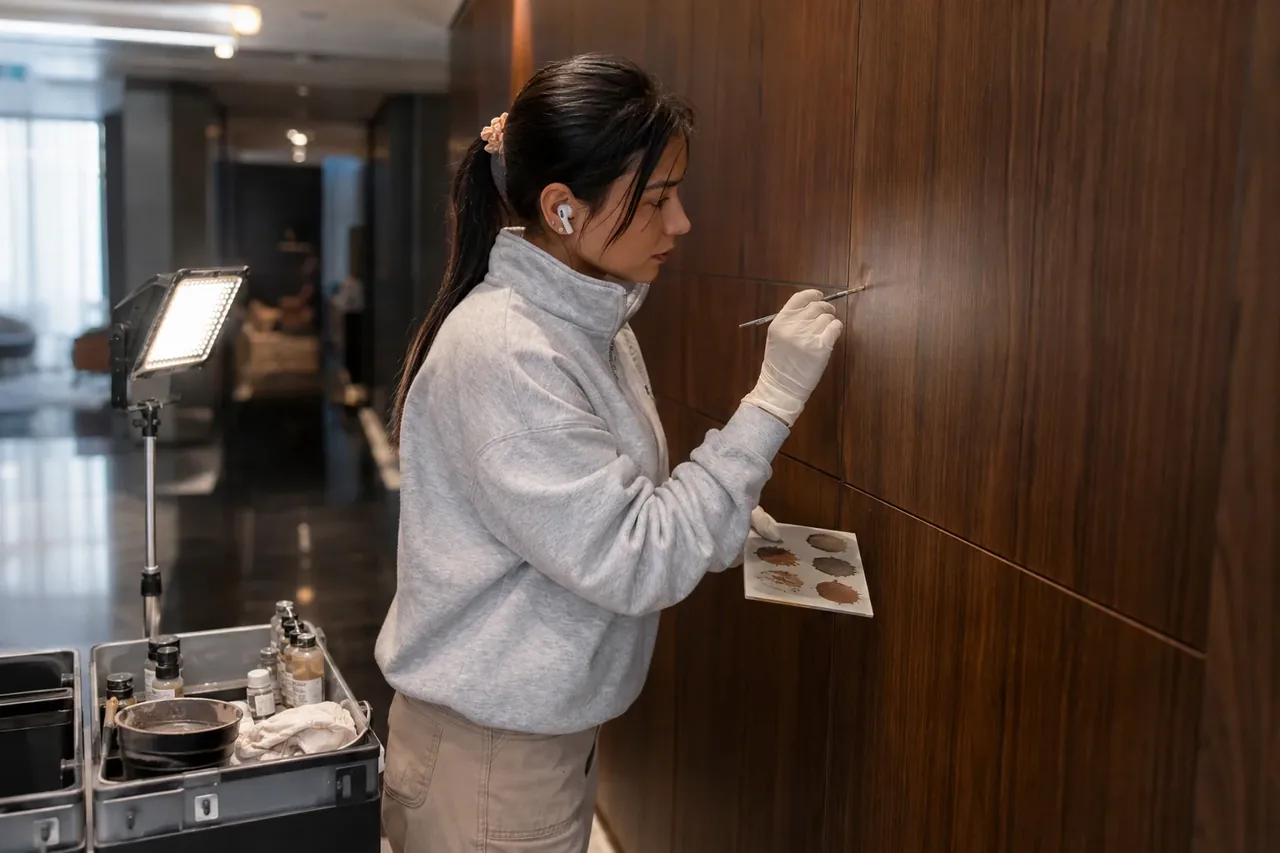
That is the whole test of the trade, and the answer should be no. We colour match into the surrounding surface and check the result in daylight before we call it finished.
Can you work on site?
Yes — bench tops, joinery, floors, staircases, handrails and panelling are repaired in place, and we work after hours for commercial and retail spaces.